HANDS-ON APPROACH
There’s an independent speciality roaster at Rosemains Steading near Edinburgh setting new standards around sustainability, while helping those less fortunate. What’s more remarkable is that the man behind the business has no coffee background whatsoever.
Jason Harvey has always had something of an adventurous spirit. As the leader of outdoor expeditions in New Zealand, he got to experience one of the most beautiful countries on the planet. His next step was running an events business, which ultimately failed, but the entrepreneurial ambitions still burned bright.
“It was 2018 and I needed to pivot,” said Harvey. “So, I refurbished a second-hand electric roaster and learnt to roast. I am firm believer in experiential learning, getting stuck in and figuring it out as you go: sourcing, roasting, packaging, distribution and building a brand. But, of course, I didn’t get everything right along the way, including a £35k packaging mistake that nearly derailed a launch.
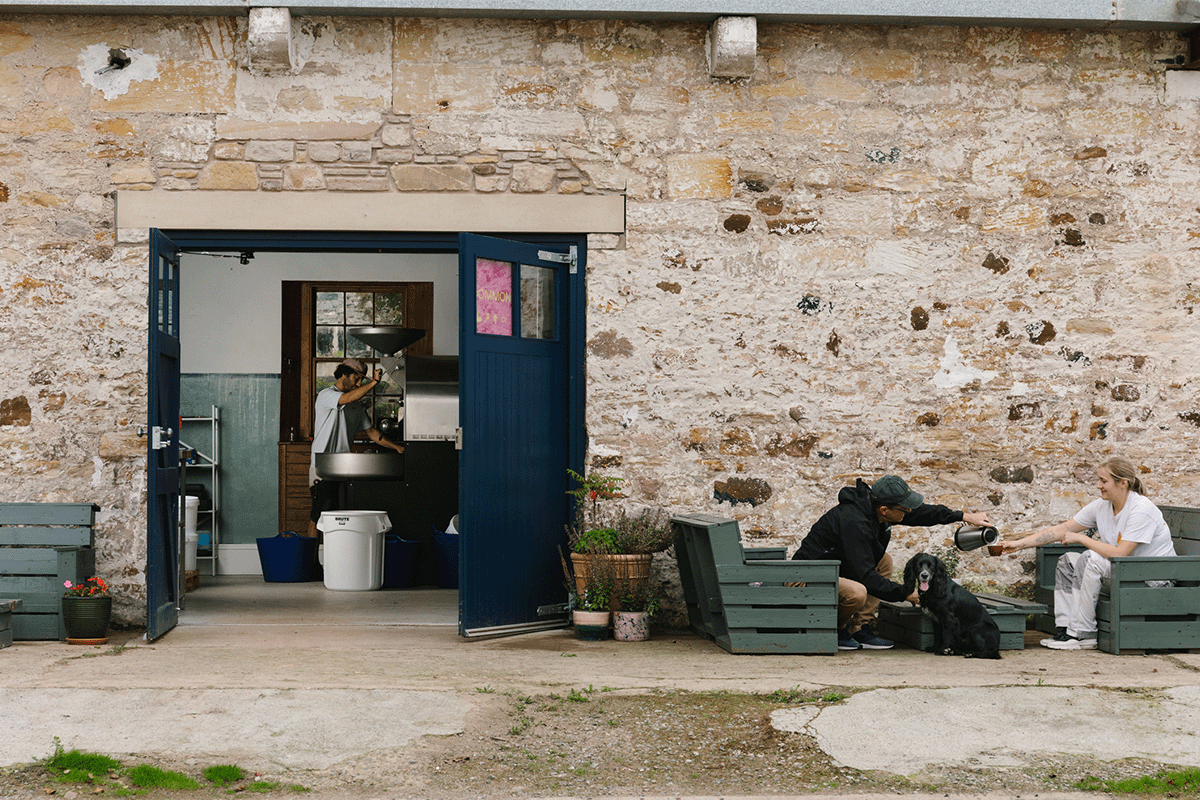
“However, Common Coffee became a company in 2018, and in 2020 we installed our 12kg electric Probat at Rosemains Steading in Midlothian, where we roast today. What connected everything was how coffee has this unique way of bringing people together and exploring ideas, and that’s still why Common exists. Sometimes it can feel that, as a society, we have drifted away from the immense social importance coffee plays – and I guess that’s why we look to celebrate that connective thread as a brand.”
CHANGING ROLES
This type of messaging is more important than ever in 2026. With 13,000-plus independent UK coffee shops and cafés, and outlet growth of over 3.3%, free-thinking, ambitious businesspeople are stepping into the sector, despite desperately tough financial challenges.
A tipping point seems to be approaching. Local communities want a quality venue, where food & drink is exceptionally good, the environment is welcoming and fresh – and sustainability is a consideration. Major chains are under real pressure.
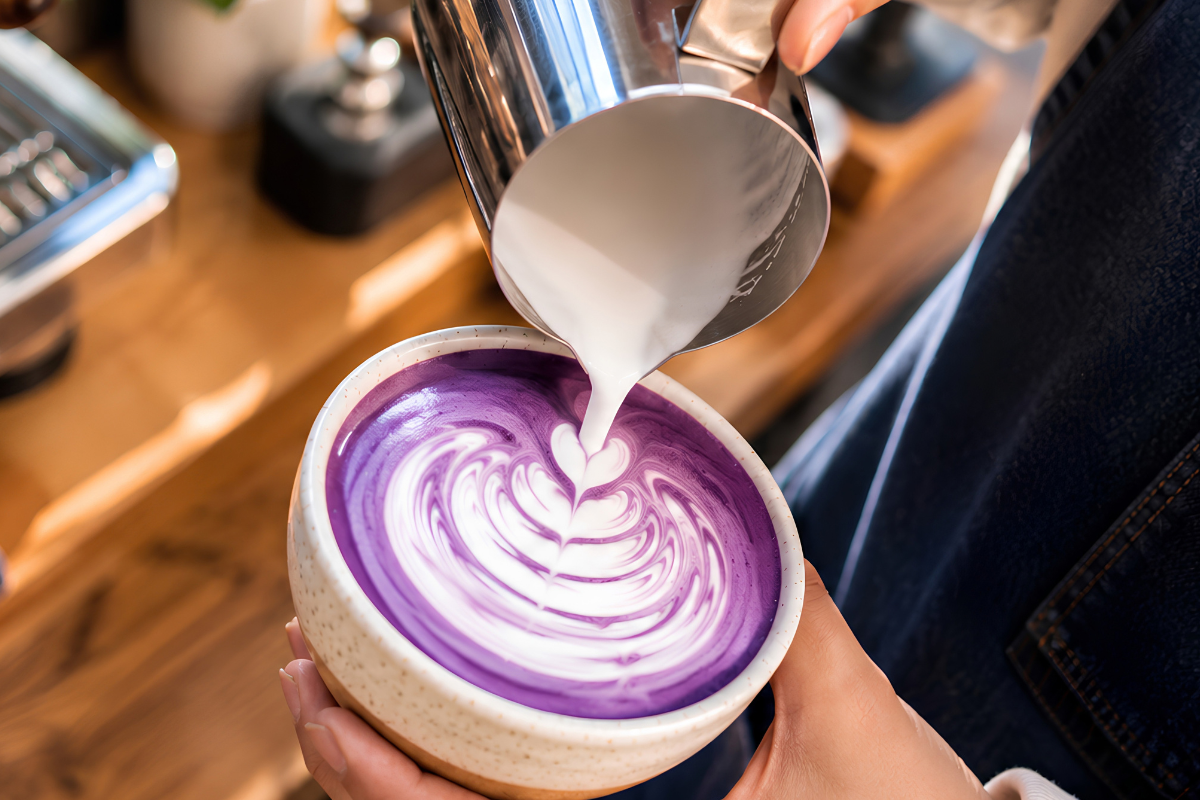
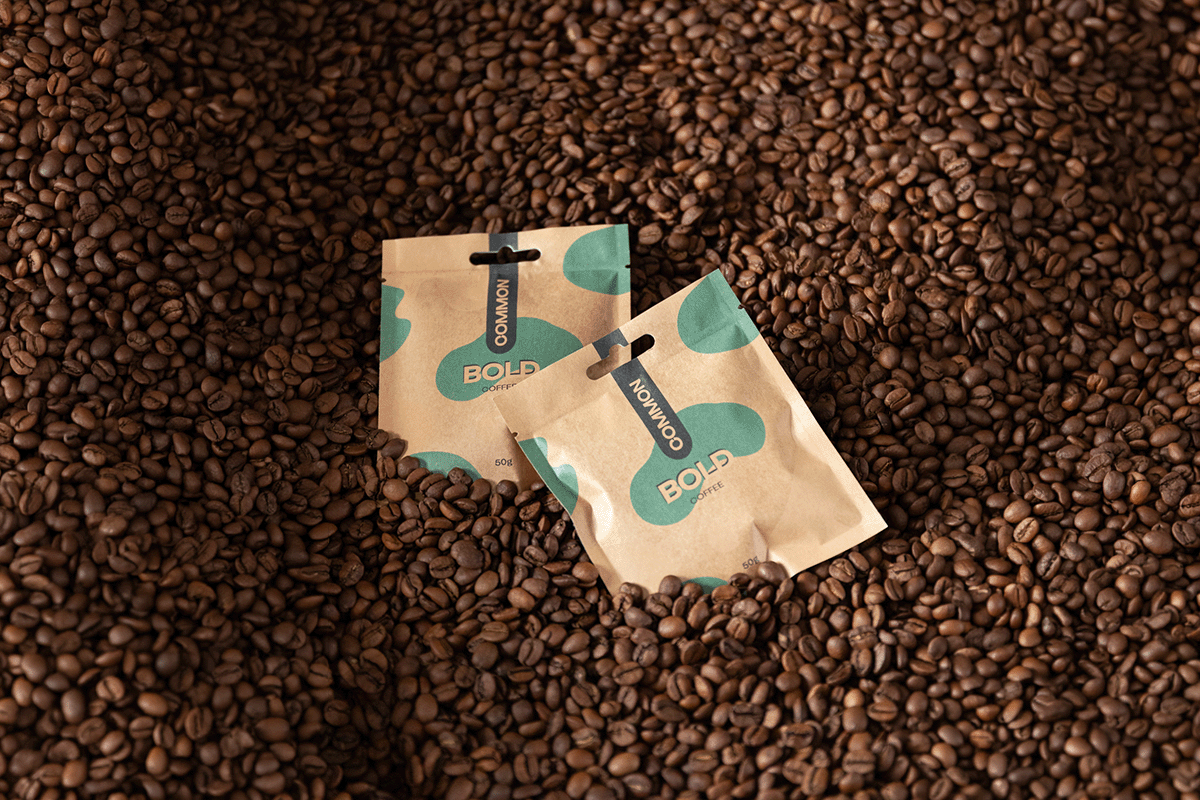
“Customers expect a lot more than they did. They want to know where their coffee comes from, who grew it and whether the farmer was paid fairly. They can also tell when a sustainability claim doesn’t hold up. There is also a need for café quality wherever they are – at home, at work or outdoors – which is why we make both bagged coffee and a speciality instant.
“At the same time, people want somewhere to be. Cafés have become one of the few places left to meet and talk, and I think the best ones understand they’re selling that as much as the coffee.”
PLANET FIRST
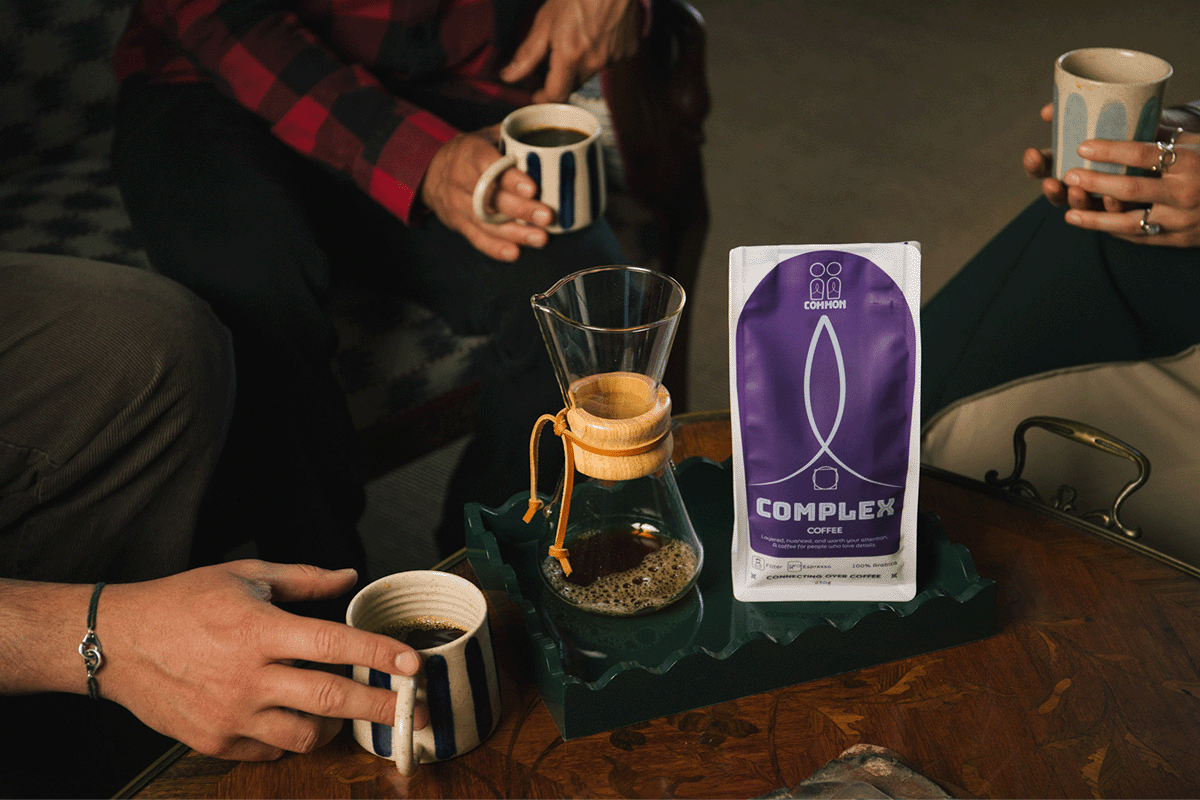
This strong and principled messaging is gaining traction in the sector. Common Coffee supplies cafés, hotels and trade across Scotland, while also being distributed in the US via sipcommon.com. In terms of the product itself, every coffee is roasted to work as both espresso and filter, in flavour profiles such as Sweet, Bright, Strong and Complex, so cafés can maintain one supplier across the menu.
“Most of our partnerships start with a conversation over coffee,” continued Harvey. “We roast to order, so it’s always fresh – and we have opened Mayvn, a café and meeting space in Angel, London. Also, we have a presence at Time Out Market New York, so we’d love to find more partners there.”
Competition is fierce, but Common Coffee has a clear vision of how to be successful.
“By doing the things that are hard to copy. We roast on a refurbished electric Probat powered by 100% renewable energy, 30% of it generated on site, removing a significant amount of carbon from our production.
“We give 1% of our revenue, not profit, to 1% for the Planet, and we’ve donated over 13,000 coffees through In Kind Direct. We buy through importers that employ full traceability – and we’ve stayed clear about why we exist: to inspire moments of connection and curiosity.
“But the ambitions are boundless. We were the first Scottish roastery to launch a speciality instant and we are committed to scaling our operations on renewable energy,” concluded Harvey.