

BOOM & TRUST
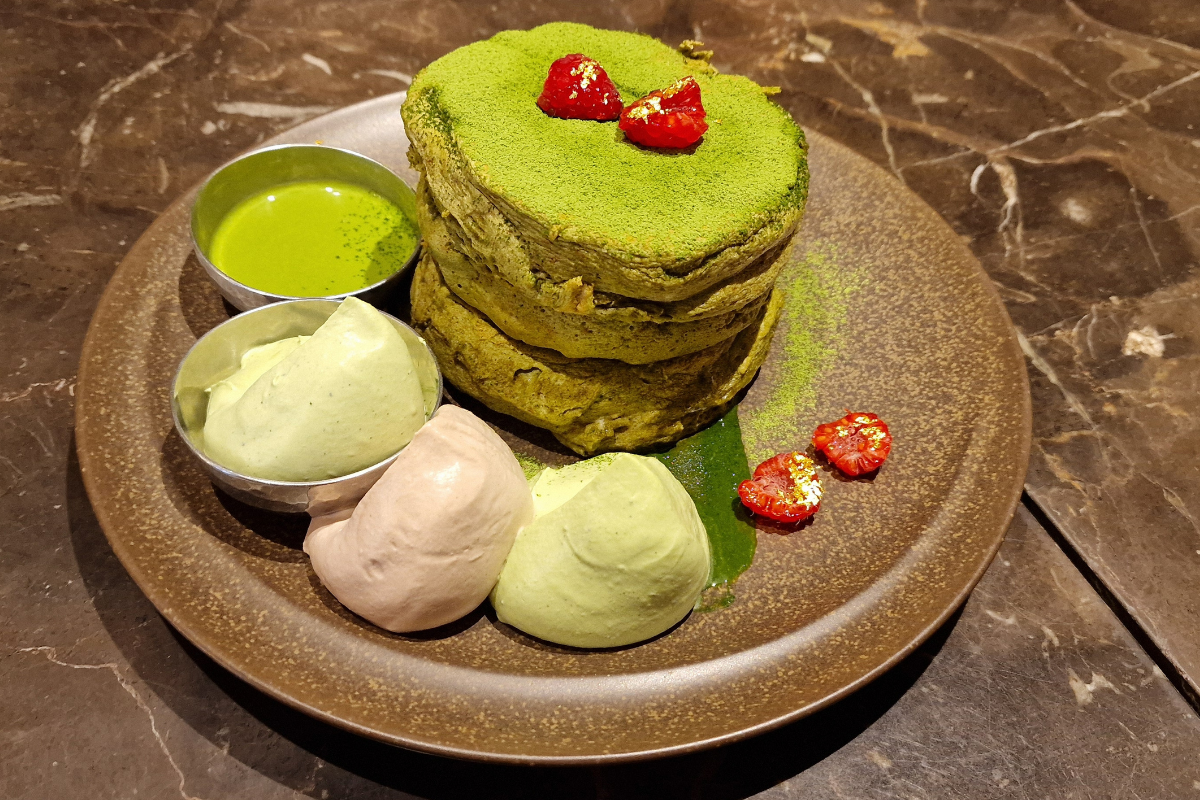
It’s been a remarkable time for our sector. A few years ago, matcha was still a specialist order in the UK – today, customers actively look out for it on a menu, while the creativity levels are brilliant. It’s brought a welcome dose of theatre and excitement to cafés.
Social media definitely helped it break through as a trend but the next stage relates to quality and sustaining that interest. Matcha is becoming a permanent part of UK café culture – and customers are increasingly able to recognise the difference between a genuinely good purchase and one that relies heavily on milk or flavoured syrups.
To explain the popularity, it’s arrived at the meeting point of several consumer trends. People want coffee alternatives, as they pay more attention to what they consume, while valuing drinks that provide a daily ritual and moment to slow down. Matcha contains caffeine alongside naturally occurring L-theanine, and the result is described as a calmer, more sustained feeling of focus. This fragrantly green offering also fits the modern café perfectly, served hot or iced, paired with dairy or plant milk, while delivering seasonal appeal.
For new operators, my main piece of advice is to start simple. Serve an excellent hot latte, an excellent iced latte, then create a large menu. Agree the recipe, serving size and preparation method, then ensure every team member can reproduce it consistently.
Once those foundations are in place, introduce signature flavours or use matcha in cakes, pastries, chocolate and desserts. I would also love to see more cafés serving traditionally whisked matcha with water – that’s how I like to drink it! It gives customers the chance to experience the flavour of the matcha itself, without the masking agents of milk or syrup.

MAKING THE GRADE
Importantly, the grade must suit the application. A delicate matcha can be wasted in a strongly flavoured bake, while a robust culinary grade could work brilliantly in a brownie, while being too bitter to drink with water. A good supplier should help operators choose the right products, rather than simply selling them the most expensive.
‘Ceremonial grade’ is not a regulated or universally defined standard. Two suppliers can use the same term for very different products, so the wording on the bag should never be the end of the conversation.
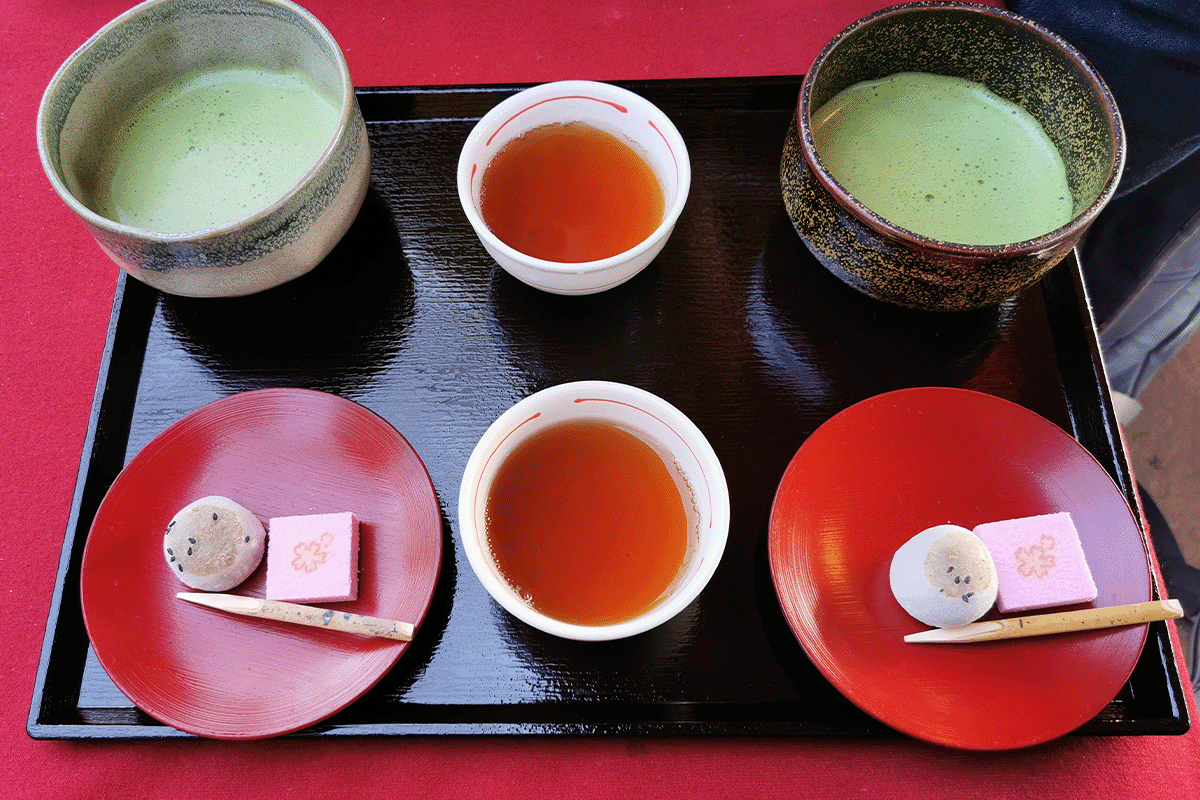
We use the term because UK customers recognise it but our test is simple: would we be happy serving this matcha whisked only with water as koicha or usucha – thick or thin matcha – as it would be served in a traditional Japanese tea ceremony?
Key indicators are a vibrant green colour, fine texture, clean aroma and smooth balance of umami, natural sweetness and gentle bitterness. A dull colour, grainy texture or overly bitter flavour can indicate that the matcha isn’t suited to traditional preparation, regardless of the label being used.
Operators should question where it was grown, when it was harvested, how it was processed and whether laboratory testing and traceability are available. The main priority is to sample it in the exact drink you intend to sell.
QUESTION OF TASTE
One key selling point is the versatility. It can be served as a traditional tea, latte, iced drink, seasonal special or food ingredient, providing significant room for innovation.
It also creates different entry points for customers. Someone may discover matcha through a strawberry latte or white chocolate cookie, then gradually move towards drinks where the flavour is more prominent.
The reality is that independents are facing high rents, wage costs and energy bills, so they need products that attract customers, support premium pricing and provide regular opportunities to refresh the menu.
A common mistake is buying on price or terminology alone. A cheaper rate per kilogram doesn’t necessarily offer better value if the matcha lacks flavour, consistency or strength. The figure that matters is the cost of producing a drink the customer will repeatedly order. I would rather see an operator use the correct quantity of excellent matcha and win a repeat customer, than save a few pence and risk making somebody’s first matcha their last.
Preparation also matters. It should be sifted, mixed with water below boiling point and whisked until smooth. Pour ratios, excessive heat and incorrect storage can have an adverse effect. Traditional whisking creates a premium experience, while electric whisks work well in busy cafés. Batching is also practical but should be done little and often, kept chilled, and not carried over for multiple days.
And consider reliability. Does the supplier hold UK stock, is consistency guaranteed, and will they be able to fulfil orders when a drink becomes successful?
In conclusion, the matcha boom has created enormous opportunity but also a lot of confusion. Many products use the same terminology, while delivering different standards of flavour, colour, origin and traceability. You don’t need to become a Japanese tea expert – but always ask suppliers clear questions:
- Where was the matcha grown?
- Is it traceable to a farm or producer?
- When was it harvested, milled and packed?
- Is independent testing available?
- Which grade suits the intended recipe?
- Is stock held in the UK?
- Can it be sampled before committing?
You require clear responses to all of these – ‘it’s ceremonial grade’ isn’t enough. At Matcha Wholesale, we work directly with a fifth-generation family tea farm in Shizuoka, Japan.
Our matcha is freshly milled and packed at source, independently tested and traceable from crop to cup. We also hold stock in the UK because cafés need reliability as well as quality. Our goal is for businesses to have access to exceptional Japanese matcha, at a price that works commercially. A simple recipe for a wonderful drink!