
What are the key questions new operators should be asking around environmental requirements?
Before speaking to suppliers, you should define what sustainability means to them and identify any practical barriers to achieving those goals. The most effective environmental decisions balance customer expectations with operational realities and how these fit within budgets and local infrastructure.
- What are my sustainability goals and what do my customers expect?
- What budget, space and resources do I have for packaging and waste management?
- What waste disposal services are actually available to me locally?
- How will my products be sold, displayed and consumed, and what packaging will this require?
- How will waste be separated and managed by staff and customers?
- What environmental legislation and future requirements do I need to plan for?
- Are there opportunities to collaborate with neighbouring businesses to improve efficiency or reduce costs?
What do new businesses often fail to consider and how can your business help?
A major challenge is staffing. It’s common for café owners to interview dozens of candidates before finding the right people. Recruiting early is essential, as are contingency plans in case team members get work elsewhere before you actually open.
Training is equally important. Every member of staff should understand their responsibilities around food safety and allergen management, with clear procedures in place from day one. Labelling is a crucial part of this, helping businesses comply with legislation, while giving customers confidence in the products they’re purchasing. We offer free labelling consultations to explain obligations and put compliant systems in place from the outset.
Another consideration, particularly when taking over an existing hospitality site, is the expectations of the previous customer base. A venue known for leisurely cream teas may not automatically attract the same audience if it becomes grab-and-go. Operators should consider how they position their offer and the opportunities to retain existing customers.
A common mistake is over-extension on fit-out costs. It’s easy to focus on premium countertops, designer lighting or expensive tableware and overlook staffing, equipment maintenance and seasonal fluctuations in demand.
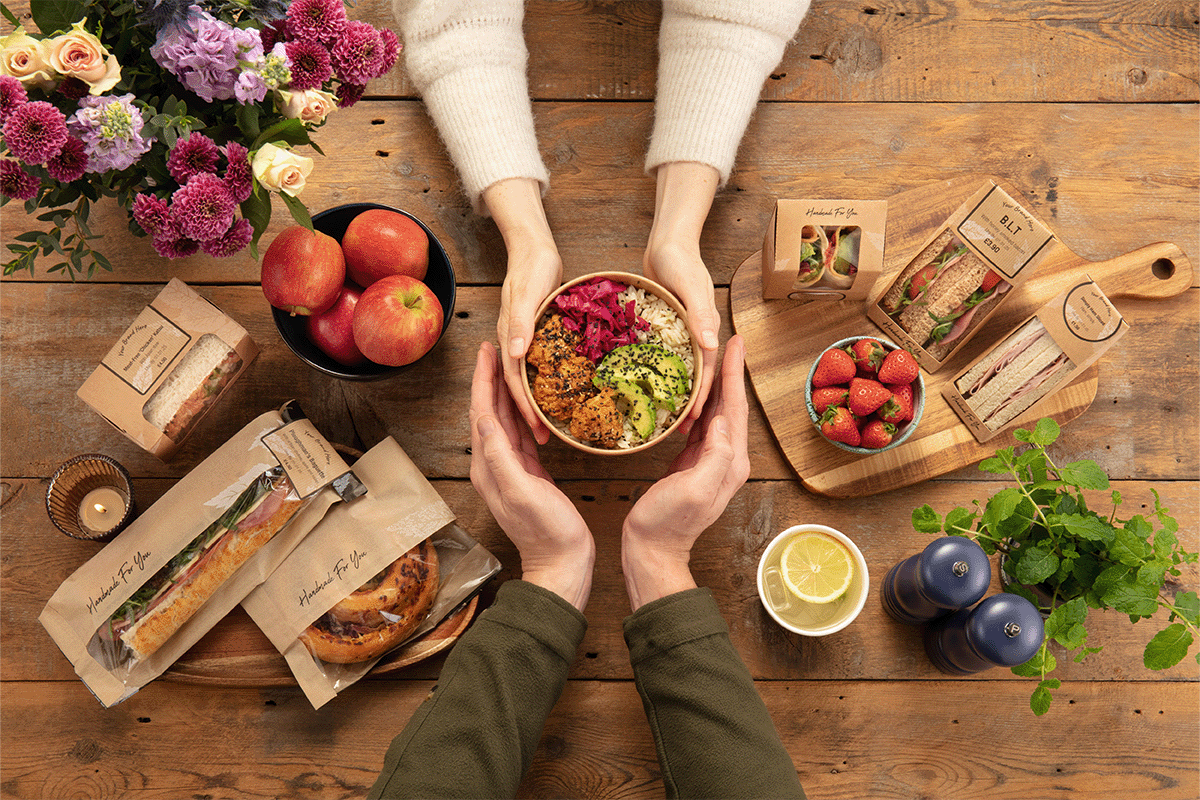
Packaging and labelling are often left until the last minute. Operators spend months perfecting the look of their café, only to forget about allergen compliance and product display. And all this beautifully made food ends up wrapped in basic bags, with handwritten labels, that don’t reflect the quality of the brand they’ve worked so hard to create.
The biggest regret we hear is: ‘I wish I’d thought about packaging and labelling sooner.’ This is especially true for businesses that want bespoke branded packaging but underestimate the lead times involved.
When planning budgets and opening schedules, allocate funds for packaging and labelling from the outset. If you want bespoke branding, you’ll typically need three to five weeks for printed labels and up to 16 weeks for custom packaging, plus time for design and approvals.
We offer solutions to suit most budgets, including off-the-shelf, pre-branded packaging ranges and customisable labels, dispatched the same day they’re ordered. For those working to tight deadlines or with limited budgets, branded labels and stickers can be a simple, cost-effective way to add personality, professionalism and compliance.
While supporting compliance, good packaging influences first impressions and adds value – is that correct?
Often, if new operators feel overwhelmed by labelling compliance, they’ll bury their heads in the sand, but it doesn’t have to be a nightmare. We’ve made compliance – and labelling in general – very simple and easy with our app, where you create online, then print using your roll or desktop printer. I wouldn’t recommend leaving labelling until the last minute but, if you do, the reality is we get people up and running very quickly.
How important are environmental considerations to the consumer?
This varies hugely depending on location and customer base. Research what matters to customers and consider how this aligns with your own environmental goals. The reality is consumers usually focus on the food or drink first. Whatever you offer, it should be made to the highest possible standard, with packaging and presentation that support its quality.
Brand story and perceived value are also important, and environmental goals can form part of both. Whether your father was a pastry chef, you fell in love with sandwiches backpacking around Sicily or you simply love good coffee, tell that story through your brand.
When communicating the environmental aspects of your café, remove as many barriers as possible. Customers generally want to do their bit and see that businesses are doing the same – but do not want it to complicate their lives or make them feel as though they are getting something wrong.
Make processes such as waste disposal simple, provide clear instructions and help customers feel positive about taking part.
Returning custom is key in this sector. What’s the best approach?
Outstanding service and innovation where possible – even with something as simple as choice of condiments or adding a twist to presentation. You don’t have to reinvent the wheel but do whatever you’re doing to your very best, priced appropriately for the customer base.
Building a strong brand identity is essential as it tells people who you are, what you’re about and helps attract new and repeat business. If you don’t have the budget for multiple bespoke products, the branded takeout bags or coffee cups will speak volumes. Where budgets are really tight, a branded sticker applied to a plain product offers a cost-effective alternative. Loyalty cards are another method of boosting return custom. You might also want to look at incentivising Google reviews or tagged posts on social media through a free coffee, cookie or something similar.
In terms of govt legislation, what are major areas of consideration?
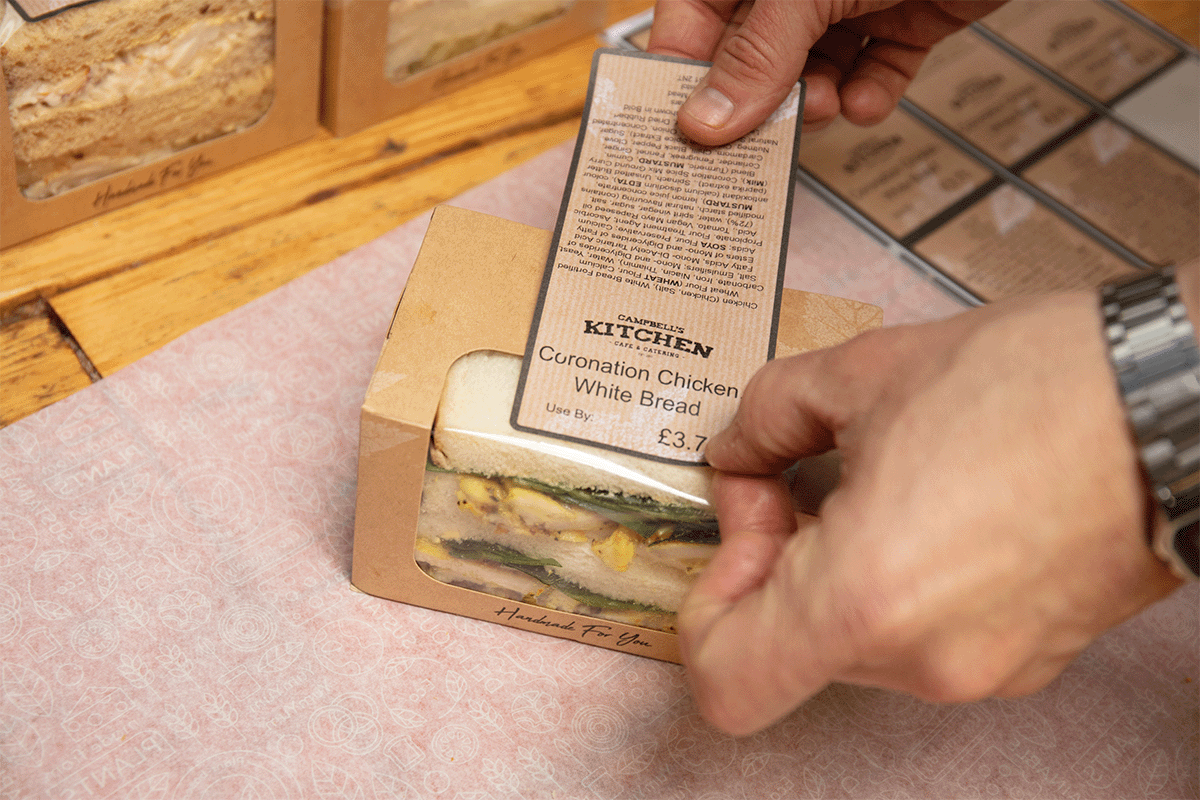
The main one is the Food Information Regulation, which requires prepacked food to display key info – including product name, ingredients, allergen declarations, storage instructions and use-by dates where applicable. Cafés and coffee shops are also subject to Natasha’s Law, which states that all foods Pre-Packed for Direct Sale (PPDS) – such as sandwiches, salad pots or cakes packaged on-site before being chosen by the customer – must carry a full ingredients list highlighting the presence of 14 regulated allergens.
As mentioned above, our cost-effective labelling app, LabelLogic Live, has been designed specifically for providers in foodservice settings. You’re using all your existing kit, nothing specialist, and it’s available for as little as £15 per month. This includes full access to all features, so you can create all your nutritional values and QUIDs, highlight allergens, add logos and anything else you require.
Businesses additionally need to be aware of UK packaging waste and recycling requirements, including Extended Producer Responsibility (EPR) and the move towards simpler recycling systems. Choosing packaging with clear disposal instructions and strong environmental credentials supports compliance and customer expectations.
Our new flagship packaging and labelling range – Back to Nature – includes certified compostable and recyclable products. We look to bypass restrictions brought about by location, while offering solutions no matter where you are in the UK.