

1 Budget, timeline and constraints
Gaining a clear understanding of these three areas is essential from the outset. This allows the team to shape a tailored project plan that delivers maximum value, ensuring every decision is aligned with the client's priorities.
2 It all starts with the menu
One of the biggest mistakes operators make is designing the space before fully defining their offer. The menu dictates the equipment, preparation areas, storage requirements, service style and ultimately how people experience the café. Whether you’re focused on speciality coffee, grab-and-go food or a premium afternoon tea offer, the menu should be the blueprint that guides every decision.
3 Consider customer flow
Think about how people will actually use the space: how they will queue, collect their food and drinks, and move through the venue. It’s also important to identify any points where they may pause or hesitate.
Customers should instinctively know where to go next without needing signs to tell them. Good customer flow creates a better experience and supports faster, more efficient service.
4 Design for peak trade
Your quiet Tuesday morning shouldn’t dictate your layout. Plan for weekends, school holidays and Christmas when you will be at your busiest.
5 Create natural upsell moments
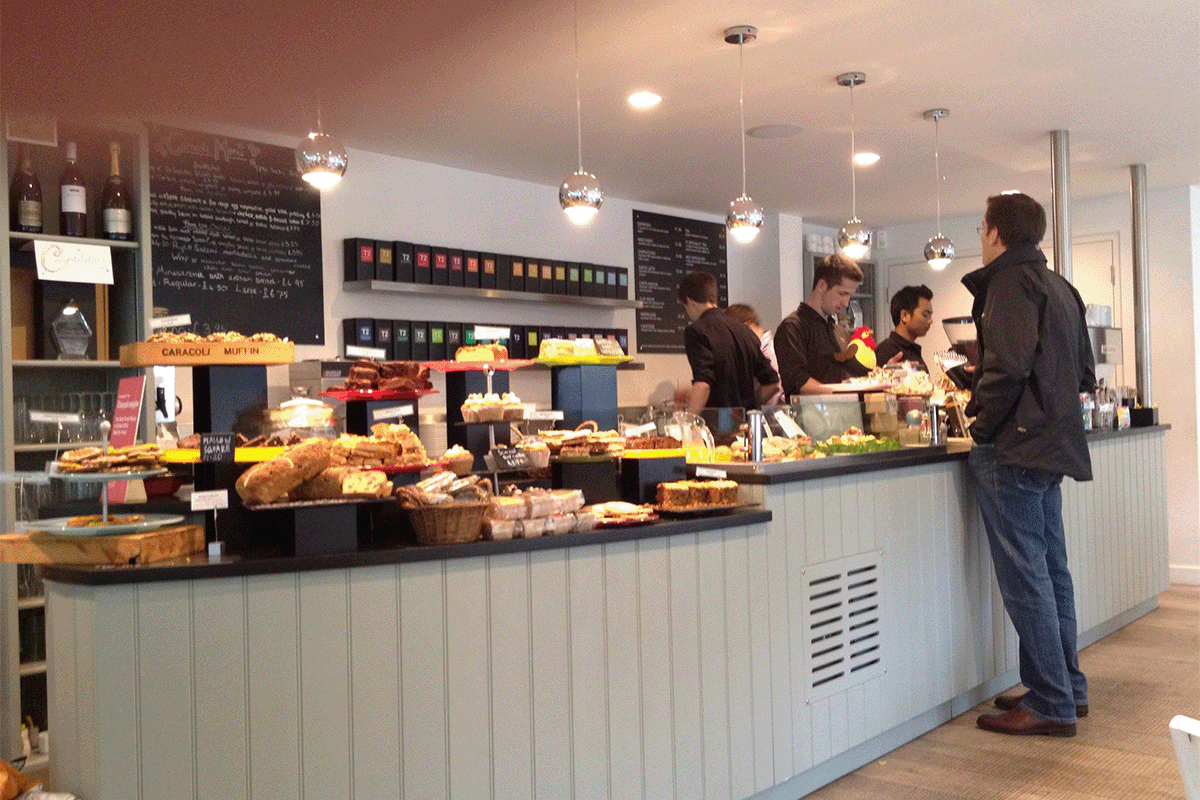
From cakes and pastries at the counter to retail coffee, sandwiches and seasonal promotions, every café has opportunities to increase spend per head. Thinking about where and how these products will be displayed during the planning stage ensures they become a natural part of the customer journey rather than an afterthought.
6 Think practically
A great café isn't just created for customers. Employees and other people working in the building need to be considered too. The best-looking counter in the world is no good if staff can’t move efficiently behind it. Thinking about workflow, storage, equipment placement and ease of service from the outset will pay dividends long after the refurbishment is complete.
7 Use bespoke where it matters
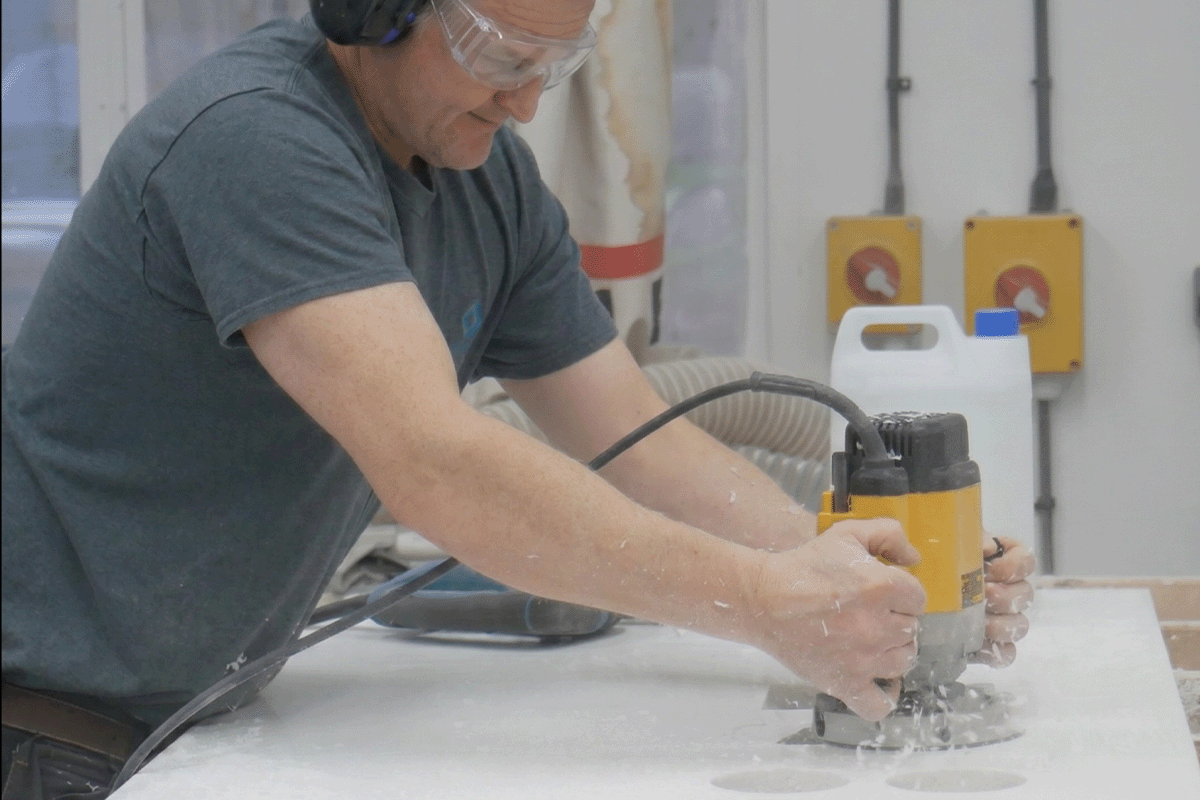
Made-to-measure counters and joinery can maximise awkward spaces and improve workflow, so are usually worth the additional investment.
8 Respect the location
Customers increasingly value experiences that feel authentic. Heritage and destination venues should celebrate what makes them unique. “The best café formats don’t compete with their surroundings, they complement them.
9 Future-proof the investment
The coffee shop sector is always evolving, so build a space that can adapt to menu changes, new technology and shifting customer habits.
Also, think long term. Floors, counters and wall finishes need to withstand years of traffic, spills and cleaning.
10 Simplify project management
Refurbishing a café is challenging enough without having to coordinate multiple suppliers, contractors and trades. Having a single point of contact throughout the project helps keep communication clear, reduces delays and ensures every element of the build is working towards the same vision. The result is a smoother process, better quality control and fewer headaches for operators.
Lewisford Group is a family-run specialist in commercial fit-out, bespoke joinery and catering equipment. With more than 70 years of experience, the team delivers high-performing spaces for hospitality, leisure and retail clients. With two specialist divisions – Lewisford Construction and Lewisford Equipment Solutions – design, joinery, build and equipment is brought together under one roof in their head office and workshop facility in Hampshire.